


 Start with Our Diamond Quiz


How to Buy an Engagement Ring
1. Start by Understanding What Your Partner Wants
Surprises are romantic, but an engagement ring might feel like too significant of a purchase to leave entirely to chance. Getting at least a general sense of your partner's style preferences can help ensure the ring is one they'll love.
Start by gauging how much thought your partner has already given to rings. Some people have Pinterest boards ready to go, while others need help discovering what they like. Try casual conversations to figure out preferences. Not sure what to ask? Here are some conversation starters:
- What's most important to you in an engagement ring?
- Are there any styles or features that are must-haves for you?
- Is there anything you definitely don't want in a ring?
If you're trying to be more subtle, pay attention when rings come up in conversation or point out rings you come across while scrolling through social media together, then ask casual questions about their thoughts. This tactic feels natural and low-pressure. Friends and family members might also offer insights, especially if they've had recent conversations about rings or weddings.
For the most direct approach, shop together and take the guesswork out entirely. The proposal can still be a surprise even if the ring isn't. What matters most is choosing a ring that reflects their lifestyle and preferences, after all, it's a piece they'll wear every single day.
2. Establish a Budget
Before diving into design details, determine how much you're comfortable spending on a ring. While some traditional guidelines suggest spending three months' salary, there's no set rule for how much an engagement ring should cost. Your budget should reflect your partner's preferences and your financial circumstances.
Assess your finances first and determine what you can spend without compromising other financial goals. An engagement ring is just one piece of a much bigger financial picture that includes wedding costs, a honeymoon, and potentially saving for a home or other life milestones. Factor in your monthly take-home pay and any upcoming expenses. Whether spending $2,000 or $20,000, the best approach is to set a realistic range based on your income. Financing options are usually available to make the purchase more manageable, but understand the full financial commitment before moving forward.
Keep in mind that the cost of the ring depends on many factors: center stone type and quality, metal choice, and setting style. When making those design decisions, determine what ring qualities matter most to you and your partner. The best approach is to find a diamond or gemstone engagement ring that combines size, quality, style, and affordability.

3. Decide on a Center Stone
The center stone typically serves as the ring's focal point and often represents the largest portion of the budget. Here are a few factors to consider when choosing a center stone:
- Diamond or gemstone: Diamonds offer classic brilliance and durability, while gemstones like sapphires, rubies, and emeralds provide vibrant colors and unique personality. Consider durability if the ring will be worn daily, as some gemstones are softer than diamonds.
- Quality factors: Each stone type has specific quality factors that affect appearance and price. Research the grading criteria for your chosen stone to understand where you can prioritize or compromise to maximize value within your budget.
- Natural or lab grown: Both options offer beauty and durability but differ in origin and price. Natural stones are mined from the Earth, while lab grown stones replicate this process in controlled laboratory settings with identical results. Lab grown typically costs less, making higher-quality or larger stones more accessible.
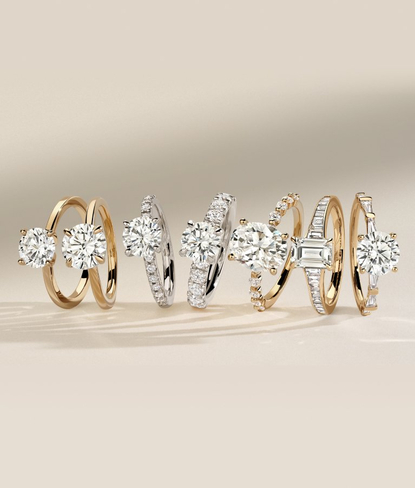
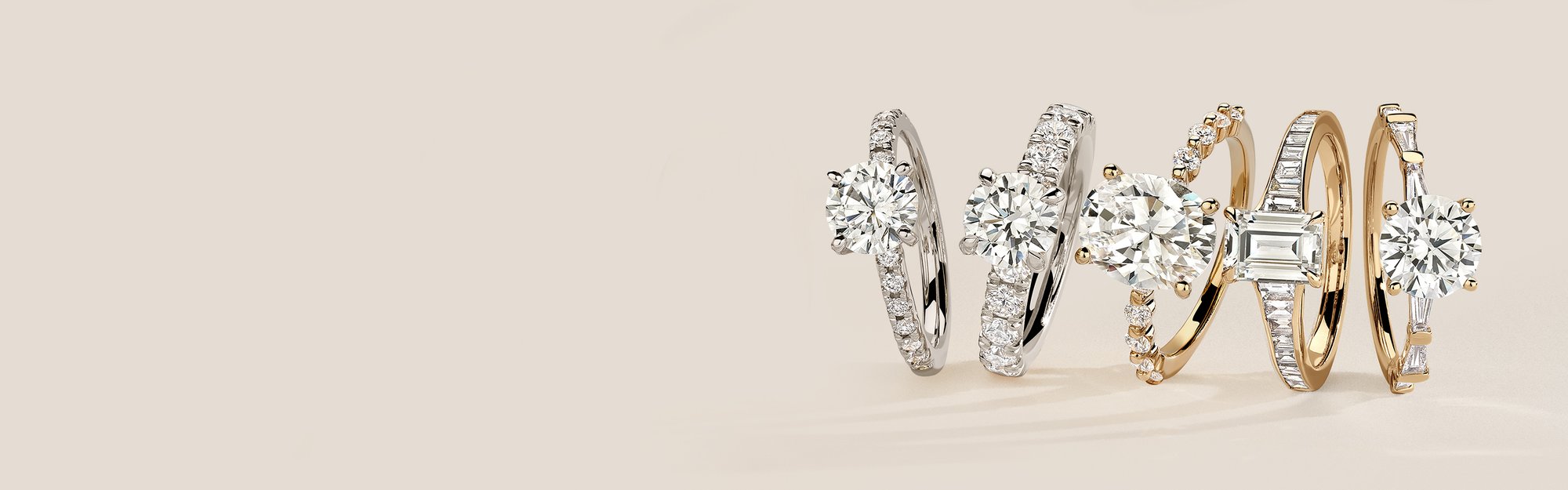
- Shape: The stone's outline affects both price and appearance. Round shapes maximize brilliance but can cost more due to high demand and precision cutting. Elongated shapes create a lengthening effect that flatters the hand and can appear larger per carat, offering more visual impact for your budget. Choose a shape that aligns with budget, aesthetic preferences, and complements the wearer's style.
4. Choose a Setting
An engagement ring setting includes all the ring’s design elements apart from the center stone, such as the prongs, gallery, band, and any accent stones. The setting not only securely holds the center stone but also defines the ring’s overall style. Here are key elements to consider when choosing an engagement ring setting:
- Style preference: Settings range from minimalist and understated to ornate and glamorous. Think about whether your partner gravitates toward simple, clean designs or prefers more decorative details.
- Metal type: Each metal option offers distinct weight, cost, durability, and appearance characteristics that complement different styles and maintenance preferences. The most popular engagement ring metals include platinum, white gold, yellow gold, and rose gold.
- Lifestyle compatibility: It’s important to match the setting to regular day-to-day activities. Some settings offer more protection for the stone than others. Those who work with their hands or lead active lifestyles may want lower-profile settings that won't catch on clothing or equipment.
- Wedding band pairing: Consider how your partner wants their engagement ring to sit alongside a wedding band. Some settings make it easier to achieve a flush fit, while others may require custom wedding bands or leave a gap between the two rings.
After determining the ideal setting, the final aspect is figuring out the correct ring size. You can order our complimentary ring sizer to help find the right size. We also offer free resizing within one year of purchase, though resizing can be challenging for some settings, particularly those with eternity bands or intricate metalwork. If you have any concerns about sizing or resizing, contact one of our jewelry specialists for guidance.

5. Complete the Purchasing Process
With all the decisions made, it's time to finalize the purchase. Understanding your options for payment, protection, and the final details can help you feel more secure.
Brilliant Earth offers financing options, a warranty, and can help coordinate insurance for complete peace of mind:
- Affirm financing: With Affirm Financing you can choose from multiple monthly repayment plans with starting rates as low as 0% APR for qualified buyers. Special financing payment plans for up to 36 months are available. It’s quick and easy: Just fill out a few pieces of basic information for a real-time decision on the amount of financing you are approved for. Know up front what you'll owe, with no hidden costs.
- Wells Fargo financing: Wells Fargo allows 12 months of payment installments with approved credit. Simply apply for financing at checkout for a real-time credit decision or contact us to apply.
- Layaway: Layaway is an installment-based payment plan that allows you to pay for jewelry over a period of weeks or months. Instead of paying for your purchase after you receive it, you can make layaway payments before you receive your purchase.
- Warranty: Brilliant Earth stands behind the quality and craftsmanship of our jewelry, so we offer a free lifetime warranty against manufacturing defects on all Brilliant Earth fine jewelry. If you experience issues with your purchase due to manufacturing, we recommend you contact us so we may evaluate your piece. If a warranty issue is found, Brilliant Earth will repair the warrantied damage or replace the item without charge.
- Insurance: While Brilliant Earth does not offer insurance directly, we do work closely with Lavalier to provide coverage that goes beyond most homeowner's and renter's insurance policies. Purchasing coverage through Lavalier is simple (you’ll receive a quote in one minute!) and it typically costs only 1-2% of your jewelry’s value.
Whether shopping online or in-person, our seamless digital and in-person experiences make the purchase process quick and easy. Brilliant Earth jewelry specialists are available to help complete the process and ensure that everything is accurate and up to date.

Tips for Buying an Engagement Ring
Buying an engagement ring is a meaningful decision, and thoughtful preparation can make the process smoother. Here are our top tips and common mistakes to avoid:
- Don't get caught up in trends: What's popular now may feel dated in a few years. Choose a ring with timeless appeal that reflects your partner's personal style rather than chasing current trends.
- Schedule an appointment: Visit our jewelers by appointment rather than walking in. This ensures dedicated time with a knowledgeable consultant who can guide the decision-making process, answer questions, and provide personalized recommendations without feeling rushed.
- Plan your timeline: The perfect ring takes time, from design conception to crafting to shipping. Start shopping at least two months before your planned proposal date, especially during busy seasons.
- Verify diamond certification: Ensure your diamond is certified. Certifications confirm authenticity and include important details about the cut, color, and clarity of your unique stone, as well as the certification number inscribed on the girdle. All Brilliant Earth diamonds are certified by reputable institutions like GIA and IGI.
- Consider a temporary setting: If you are confident about your diamond choice but would prefer your partner to be involved in choosing the setting, at Brilliant Earth we offer a temporary setting option. Within 60 days of your initial purchase, you and your fiancé may return the temporary setting and choose from our extensive catalog of customized mountings.

What to Know About Engagement Rings Before You Buy
Buying an engagement ring comes with excitement, anticipation, and sometimes anxiety about budget, options, and getting it right. But the bottom line is that this process is about making a thoughtful choice for your partner. Here are a few final things to keep in mind before buying an engagement ring:
- There's no universal "right way": Every couple's process looks different. What matters is finding a ring that reflects your partner's personality and fits comfortably into their life. It's okay to involve your partner in the process if that feels right for your relationship.
- Take your time and ask questions: Feeling overwhelmed is normal, and you don't need to learn everything at once. Each decision makes the next one easier. Ask "basic" questions without hesitation, expert guidance exists for a reason.
- It's okay to change your mind: Early preferences can change, and priorities may shift once you see real options. That's normal. Consider your initial preferences as a starting point, not a final decision.
- Trust your research and instincts: The right ring doesn't have to be the biggest or most expensive, it just needs to feel right for the person who'll wear it. Some uncertainty is natural with big purchases, but if the fundamentals align with what you know about your partner, you're making a solid choice.
Finding the right engagement ring is about balancing meaningful details with practical considerations. These aren't boring factors. They're what makes a ring loved and worn every day. Keep these points in mind as you shop, and you'll be well-equipped to find the perfect ring for your partner.

