



 Start with Our Diamond Quiz


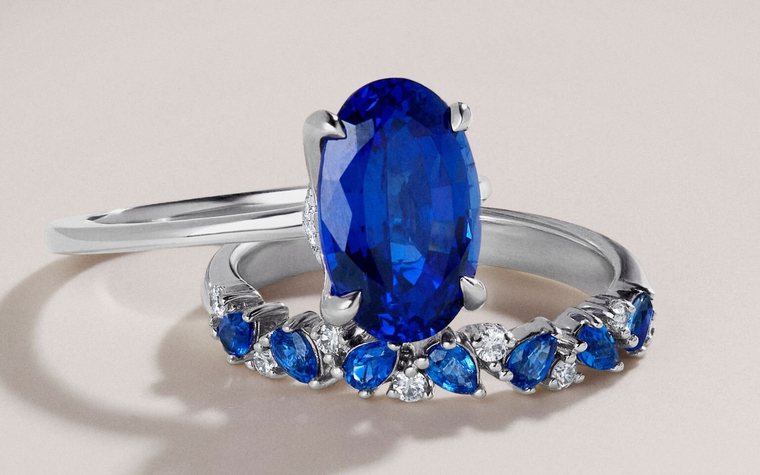
Sapphire Stone
Sapphire is composed primarily of aluminum oxide with trace elements that influence color. Blue sapphire is the best known variety, but any corundum that is not red may be classified as sapphire. Red corundum is classified as ruby instead.
Natural sapphires with exceptional saturation and clarity remain difficult to source, particularly in larger sizes. Its combination of hardness, rarity, and color saturation has made sapphire one of the most important colored gemstones in fine jewelry.

Sapphire Quick Facts
Property | Description |
|---|---|
Mineral | Corundum |
Color | Blue and fancy colors except red |
Mohs Hardness | 9 |
Natural Rarity | Rare in fine qualities |
Natural Price | $$$$ |
Natural Origin | Brilliant Earth sources natural sapphire from Sri Lanka, Montana, Australia, Kenya, and Tanzania |
Symbolism | Wisdom, loyalty, protection |
Birthstone Month | September |
Anniversary Year | 5th wedding anniversary |
Sapphire Color & Appearance
Color in sapphire comes from trace elements within the crystal structure. Iron and titanium produce blue sapphire, while chromium contributes to pink sapphire. Depending on the mineral composition, sapphire may also appear yellow, green, orange, violet, gray, black, white, or brown.
Some sapphires display unusual optical effects. Star sapphires show a six-rayed star across the surface when cut as cabochons. Color-change sapphires shift hue under different lighting conditions, often moving between blue, violet, and purple.
Parti sapphires contain multiple colors within a single stone. Rather than blending together, the colors appear in visible zones, creating sharp transitions between blue, green, yellow, or other hues.

Sapphire Hardness & Durability
Sapphire ranks 9 on the Mohs hardness scale, making it one of the hardest natural gemstones used in jewelry. It resists scratching exceptionally well and maintains its polish over time.
That durability makes sapphire practical for everyday wear. Even so, a hard impact can still chip a stone, particularly near pointed corners or exposed edges.

Sapphire Rarity & Value
Natural sapphires occur worldwide, but fine quality stones remain relatively rare. Value depends heavily on color, saturation, clarity, size, origin, and treatment status.
Strong, vivid color typically commands the highest prices. Kashmir sapphires are especially known for their velvety blue appearance and rarity. Padparadscha sapphires, recognized for their delicate pink-orange color, are among the rarest sapphire varieties.
Larger sapphires become increasingly difficult to source in high quality. Stones over several carats with vivid saturation and good clarity are significantly more valuable.
Treatment also affects price. Heat treatment is common within the sapphire trade and is used to improve color and clarity. Untreated sapphires are rarer and often more valuable.

Sapphire Origin
Sapphires have been mined for centuries and are found worldwide. Brilliant Earth works with a small number of exclusive gemstone suppliers who share our values and source from specific countries that focus on land protection, safer mining, and improved working conditions. Our primary sources include Sri Lanka, Montana, Australia, Kenya, and Tanzania.

Sapphire Meaning & Symbolism
Sapphire has long been associated with wisdom, loyalty, sincerity, and protection.
In ancient Greece and Rome, rulers and clergy believed sapphire could guard against harm and envy. During the Middle Ages, blue sapphire became closely associated with royalty and was worn as a symbol of status and fidelity.
Sapphire is the official birthstone for September and the traditional gemstone for 5th wedding anniversaries.

How to Buy Sapphire
When it comes to buying a sapphire, color usually matters more than size. A smaller sapphire with vivid saturation and strong brightness will often appear more valuable than a larger stone with uneven or muted color.
Look closely at how the color appears across the gemstone. Fine sapphires should not look overly dark, washed out, or heavily zoned.
Clarity should feel balanced rather than overly clinical. Most natural sapphires contain inclusions, but excessive inclusions can reduce transparency and brightness.
Cut influences both color and light return. Well-proportioned sapphires appear brighter and more evenly saturated, while poorly cut stones can show dark areas or uneven color concentration.
Treatment disclosure is also important. Heat treatment is standard within sapphire, while untreated stones are significantly rarer.

Sapphire Cleaning & Care
Sapphire can be cleaned safely with mild soap, warm water, and a soft brush.
After cleaning, rinse the gemstone thoroughly and dry it with a soft cloth. Store sapphire jewelry separately from softer gemstones to help reduce scratching.
Professional cleaning may be recommended for pieces with delicate settings or additional gemstones.


Sapphire FAQ
What color is sapphire?
Sapphire is most commonly blue, but it also occurs in pink, yellow, green, orange, violet, white, gray, black, and multicolored varieties.
Are sapphires expensive?
Fine natural sapphires can be expensive, especially stones with vivid color, strong clarity, large size, rare origin, or untreated status.
Where are sapphires found?
Brilliant Earth sources natural sapphire from Sri Lanka, Montana, Australia, Kenya, and Tanzania.
How can you tell if a sapphire is real?
Professional gemological testing is the most reliable way to determine whether a sapphire is natural, lab grown, or imitation.
What do sapphires represent?
Sapphires traditionally symbolize wisdom, loyalty, sincerity, and protection.
What does sapphire look like?
Blue sapphire typically appears richly saturated with tones ranging from bright cornflower blue to deep velvety navy. Other sapphires may appear pink, yellow, green, violet, orange, white, or multicolored.
Is sapphire a diamond?
No, sapphire and diamond are not the same. Sapphire is a variety of corundum, while diamond is composed of carbon.
What colors do sapphires come in?
Sapphires occur in nearly every color except red. Common sapphire colors include blue, pink, yellow, green, orange, violet, white, gray, and black.
Are rubies and sapphires the same?
Are rubies and sapphires the same?
